
The Guilt Many Second-Generation Filipinos Carry (But Rarely Talk About)
Written by Kurt Hamblosa, a Filipino-Canadian therapist in Toronto who works with second-generation immigrants exploring identity, family expectations, and cultural narratives.
Rewriting the Immigrant Survival Story
Growing up in a Filipino immigrant family, I noticed how often the language of sacrifice showed up in everyday conversation. You hear it in small phrases that repeat over time.
“We sacrificed everything for you.”
“Don’t waste this opportunity.”
“Be grateful.”
Much of the time these messages come from love. Many immigrant parents endured enormous hardship so their children could have stability and opportunities they never had.
But something I’ve also seen, both in my own reflections and in my work with clients, is that these stories can sometimes create a quieter emotional experience underneath. A sense that your life has to justify the sacrifices that came before you. For many second-generation immigrants, that pressure can turn into guilt when choosing your own path.
Inheriting Stories We Didn’t Live
One of the strange experiences of growing up as the child of immigrants is carrying survival stories that you didn’t personally live through. Our parents and grandparents may have experienced things like working abroad to support family, sending money home, leaving home young, or building stability from very little. Those experiences naturally shape the values that get passed down.
In many Filipino families, sacrifice becomes a kind of moral compass.
Work hard. Provide for others. Don’t complain. Make the struggle worth it.
These values helped families survive. But surviving and thriving are not always the same thing.
Many second-generation immigrants grow up feeling responsible for making those sacrifices meaningful. That responsibility can show up as perfectionism, pressure to succeed, difficulty disappointing parents, or guilt when choosing something different from what was expected.
Even when nobody explicitly says it, there can still be an underlying feeling of “don’t waste what we went through.”
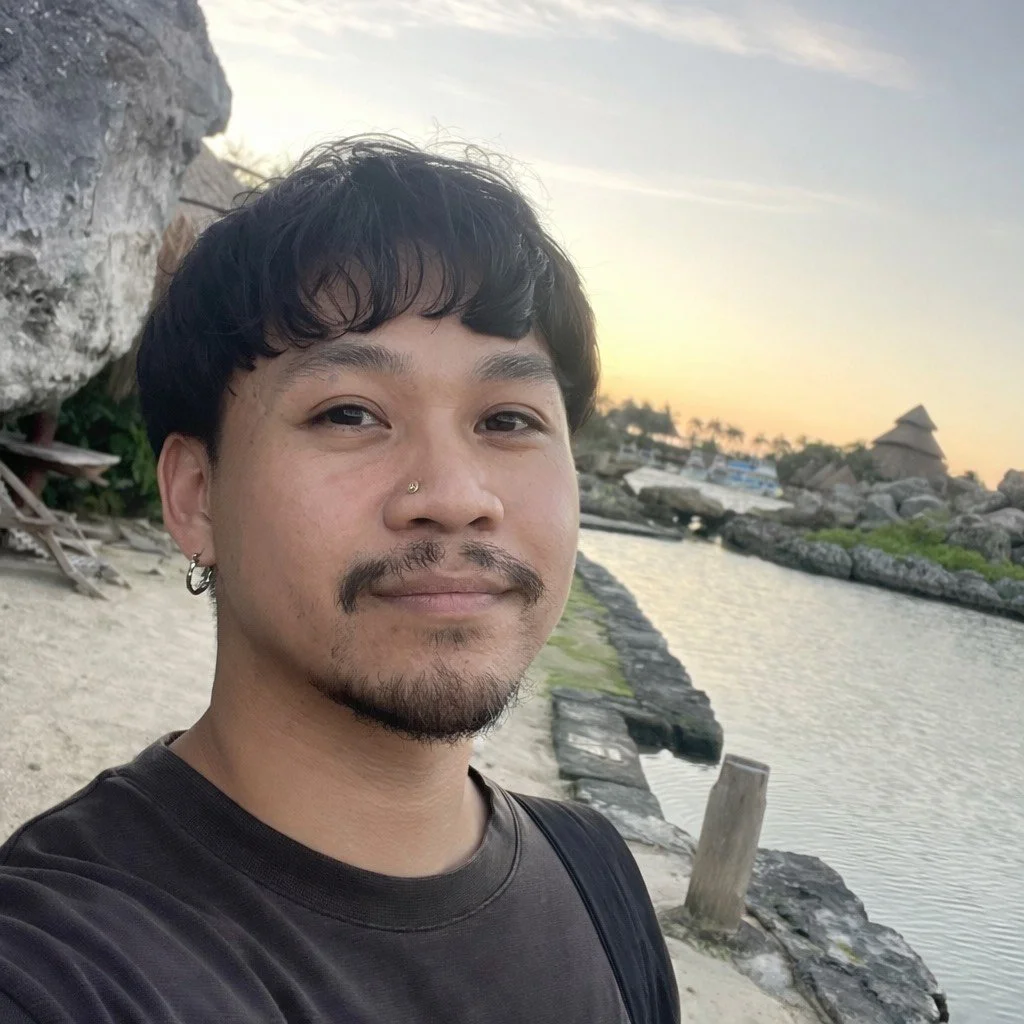
Kurt Hamblosa, a Filipino therapist for second-generation immigrants exploring identity, family expectations, and cultural narratives
The Story in My Own Family
As a Filipino-Canadian therapist and second-generation immigrant, this is something I’ve spent a lot of time reflecting on. My family immigrated to Canada in the 1990s and began building a life in Toronto. Like many immigrant families, the story that led us here involved sacrifice across generations.
Before coming to Canada, my mother worked in Singapore as a nanny after my grandfather passed away. She sent money home to support her family in the Philippines. My grandmother, my lola, lived in a rural city in the Visayas. My grandfather fished, and she sold the catch at the market so their family could get by. Life required constant effort just to meet basic needs.
Looking back now, what stands out isn’t just the hardship. It’s the value system that naturally grew from it.
In order to survive, people had to think about others first. You contributed to the family. You sacrificed parts of yourself so the next generation could have more opportunities.
That mindset made sense when survival was the priority.
But when the next generation grows up in a different environment, something interesting can happen.
The survival story continues, but now it sometimes shows up as guilt for choosing yourself.
When Gratitude Turns Into Guilt
Gratitude is deeply valued in many cultures, including Filipino culture. And there is nothing wrong with gratitude. But sometimes gratitude slowly turns into obligation. Many second-generation immigrants feel like they are balancing two internal voices.
One voice says, “My parents gave up so much for me.”
Another voice quietly asks, “What do I actually want?”
That tension can show up around career choices, relationships, boundaries, or even something as simple as moving away from home.
It can feel like choosing yourself somehow means letting your family down.
In Filipino families, cultural values such as utang na loob, a deep sense of gratitude and obligation, can shape how responsibility to family is understood. These values can be meaningful and grounding, but they can also make personal decisions feel emotionally complicated.
This is often where the experience of intergenerational immigrant guilt begins to show up.
Respecting Our Parents While Understanding Ourselves
It’s important to say that conversations like this are not about blaming our parents. Most immigrant parents did what they believed was necessary to protect and provide for their families. The values of sacrifice, loyalty, and responsibility often came from very real circumstances.
At the same time, understanding how those stories shaped us can help the next generation live with more clarity. Therapy can be a place where both things are allowed to exist at once, respect for the sacrifices that came before us, and curiosity about who we are becoming.
For many people, the goal isn’t distancing from family. It’s learning how to stay connected while also having space to grow into their own life.

The immigrant story second-generation Filipinos inherited and the guilt that came with it.
From Survival to Identity
Every generation faces a different task.
For many immigrant parents, survival was the focus. Work, stability, and security came first. For the second generation, the questions often look different. Instead of “How do I survive?” the question becomes “Who am I?”
That shift can feel uncomfortable when the family story has always centered on sacrifice. But in many ways, this shift is part of the same story.
The sacrifices of previous generations were meant to create the conditions for something more than survival. They created the possibility for the next generation to explore identity, meaning, and fulfillment.
Reintegrating the Self
One of the things that often happens in therapy with second-generation immigrants is the process of reintegrating the self. In simple terms, that means learning to hold two truths at the same time. You can honor the sacrifices that shaped your family’s journey. And you can also build a life that includes your own values, needs, and identity. Those two things don’t cancel each other out.
Sometimes the most meaningful way to honor the sacrifices that came before you is to actually live the life those sacrifices were meant to make possible.
Therapy for Second-Generation Filipino Immigrants
Many second-generation immigrants come to therapy feeling caught between two worlds. They care deeply about their families and the sacrifices that shaped their upbringing. At the same time, they may feel unsure how to make decisions that reflect their own identity.
Therapy can offer a space to explore things like family expectations, perfectionism, identity, cultural pressure, and the guilt that can arise when choosing your own path. These conversations often involve understanding the stories we inherited and deciding which parts of those stories we want to carry forward.
If This Resonates With You
If you’re a second-generation immigrant navigating family expectations, identity, or cultural guilt, therapy can offer a space to explore these experiences thoughtfully, without feeling like you have to choose between honoring your family and understanding yourself.
I’m a Filipino-Canadian therapist based in Toronto, and part of my work focuses on the emotional experiences many second-generation immigrants carry, including family obligation, identity development, and the pressure to succeed. You can learn more about my approach here or we can chat by booking a complimentary consultation using the link below.
I look forward to connecting with you!