
Blog #51
Growing Up Filipino in Canada: Identity, Faith, and Mental Health in the Diaspora
If you grew up Filipino in Canada, chances are you learned how to read the room early.
Many second-generation Filipino-Canadians are raised with a strong sense of responsibility to family, to sacrifice, to the opportunities migration made possible. Hard work matters. Respect matters. Being “good” matters.
At the same time, Canadian culture encourages independence, speaking up, and personal choice.
For many Filipino-Canadians in the diaspora, this creates a quiet tension: learning how to belong in two different value systems at once.
As a Filipino-Canadian therapist, this is something I understand not only professionally, but personally.
I remember spending time at the mall with friends in high school and constantly checking the time. Not because I wasn’t enjoying myself, but because I knew I had to be home on time. There was always an internal voice reminding me of expectations, limits, and consequences. Freedom existed, but it came with conditions.
That internal negotiation, between autonomy and responsibility, shaped more than just my curfew. It shaped identity.
This experience is common in Filipino-Canadian mental health conversations, especially among second-generation immigrants navigating diaspora identity.
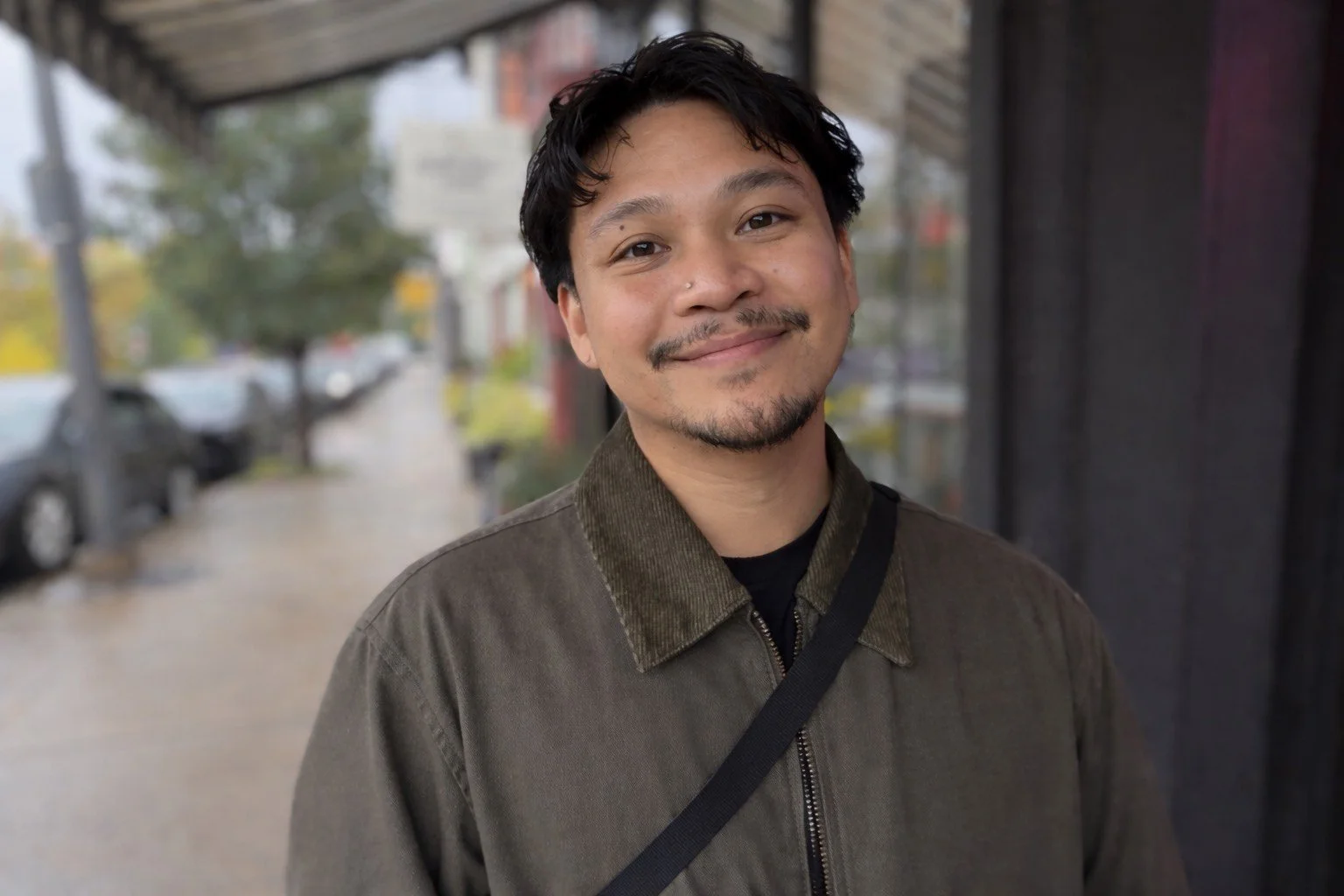
Kurt Hamblosa, a Filipino-Canadian psychotherapist for Filipino-Canadians
The “In-Between” Experience of Filipino-Canadians
Many Filipino-Canadians grow up learning to shift:
One version of yourself at home
Another with friends
Another at school or work
This adaptability is often praised. It looks like maturity and emotional intelligence. But over time, constantly adjusting can create identity stress.
You might feel:
Not fully Canadian
Not fully Filipino
Always negotiating between expectations
Responsible for everyone’s comfort
That in-betweenness is not a flaw. It’s an adaptation shaped by migration, survival, and resilience. But it can carry a cost.
People-Pleasing and Over-Responsibility in Filipino Culture
In many Filipino families, love is expressed through sacrifice and service.
Being helpful, considerate, and emotionally attuned is encouraged. You learn to anticipate others. To smooth things over. To keep the peace.
Over time, this can turn into:
Chronic people-pleasing
Difficulty setting boundaries
Guilt when resting
Fear of being seen as selfish or ungrateful
For many Filipino-Canadians, mental health struggles don’t initially feel like “anxiety” or “burnout.” They feel like failing to meet expectations.
Respect for elders (paggalang) can also make self-expression complicated. Disagreeing may feel like talking back. Advocating for yourself may feel disrespectful.
Learning to trust your own inner voice can feel unfamiliar, even scary.
Faith, Spirituality, and Filipino-Canadian Identity
For many Filipino-Canadians, Christianity or Catholicism is central to family life.
Faith can provide structure, belonging, and meaning. But when spirituality is inherited before it is chosen, it can also feel complex.
Questions may feel unsafe. Doubt may feel like failure. Inner experience can get overshadowed by rules about what faith “should” look like.
I often see this tension in therapy: one part wanting to be faithful, obedient, and aligned, another part wanting authenticity and personal spiritual agency.
Healing here isn’t about rejecting faith. It’s about reclaiming choice. Letting spirituality feel internally guided rather than fear-based.
This is an important, and often unspoken, part of Filipino-Canadian mental health in the diaspora.

In-person and virtual Filipino-Canadian mental health support
You’re Not a Bad Anak for Wanting Autonomy
Many Filipino-Canadians carry guilt for wanting independence.
Wanting your own life does not make you a bad son or daughter, a bad anak.
Needing boundaries doesn’t mean abandoning your family.
Questioning beliefs doesn’t mean betrayal.
Wanting autonomy doesn’t cancel love.
Therapy can help you hold respect and selfhood at the same time.
Therapy for Filipino-Canadians Navigating Diaspora Stress
If you’re Filipino-Canadian and struggling with anxiety, people-pleasing, burnout, faith-related tension, or identity confusion, you are not alone.
In therapy, we can explore:
Diaspora identity and belonging
Intergenerational expectations
Boundaries with family
Guilt and shame
Faith and spiritual strain
Balancing collectivist values with autonomy
My approach is collaborative and culturally attuned. We honour Filipino values without pathologizing them. We explore faith without imposing meaning. We gently unpack patterns that once helped you belong but now feel heavy.
Therapy can be a space where you don’t have to choose between being Filipino and being yourself.
There is room to hold both.
And often, with support, that space becomes less about tension and more about integration.