
Explore our latest articles and engage with our community.
Kitakits: Toronto
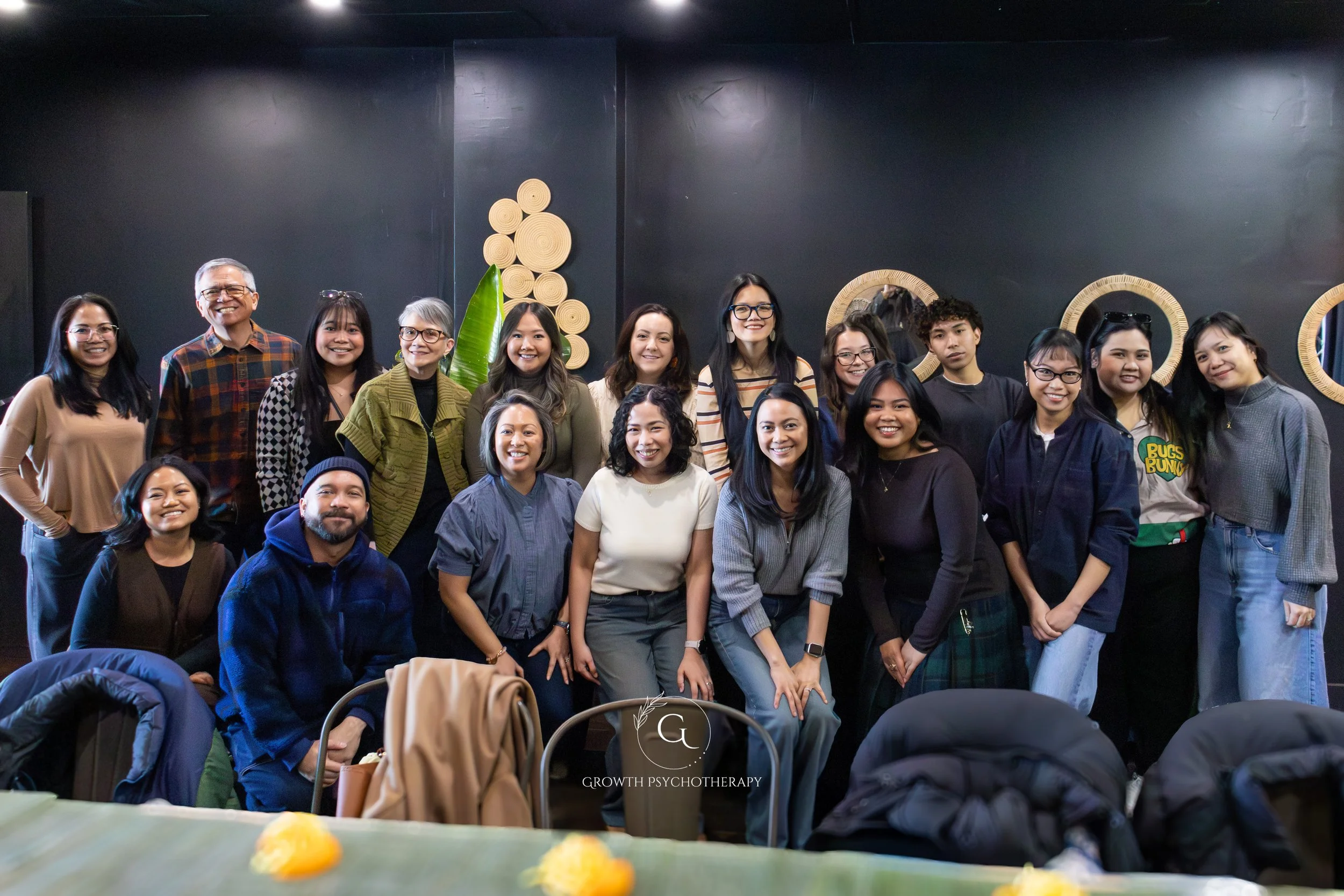
What happens when twenty Filipino therapists gather around one long table for a kamayan feast? A room filled with laughter, connection, and the realization that many of us have been navigating this work more alone than we needed to.
Blog #52
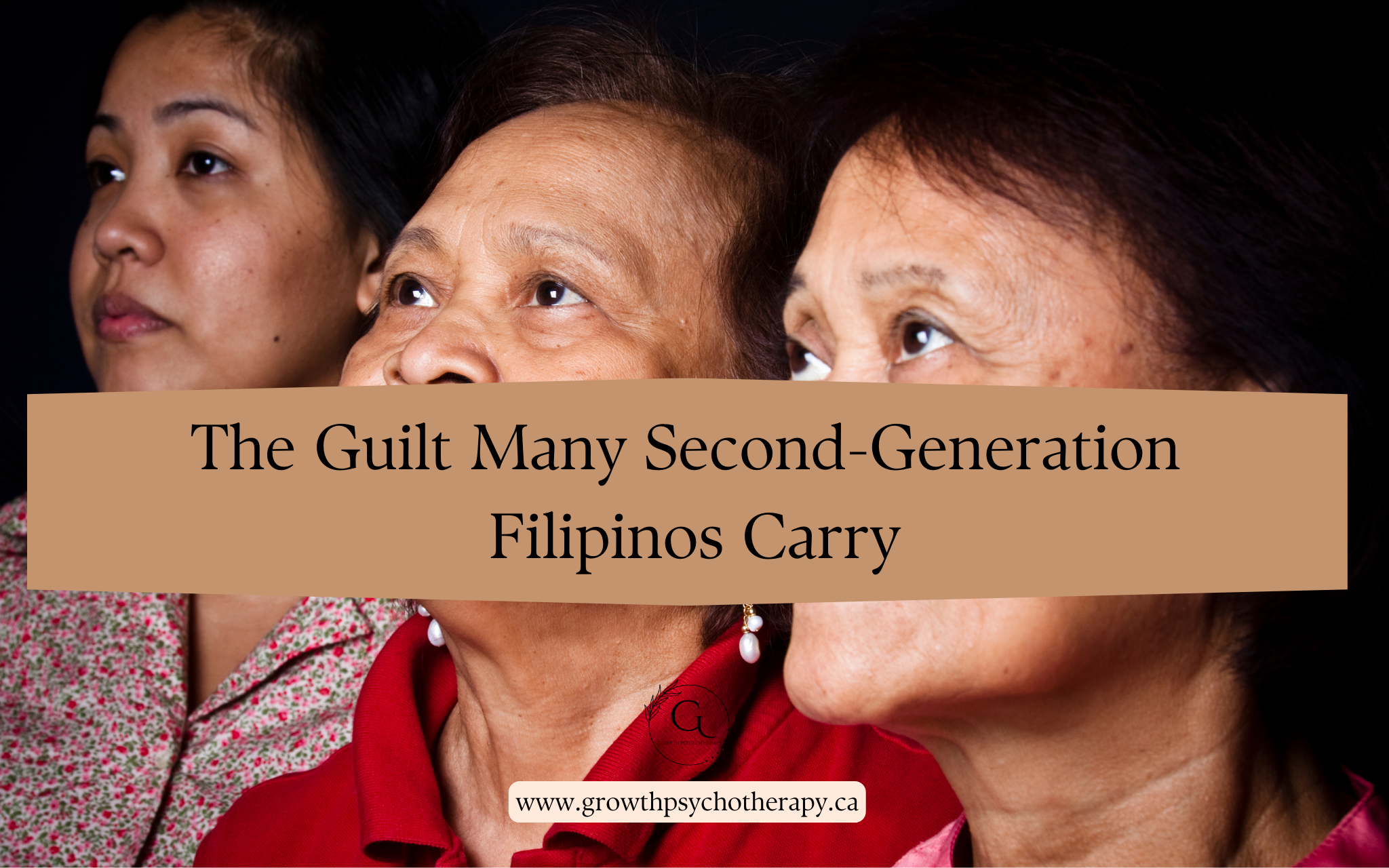
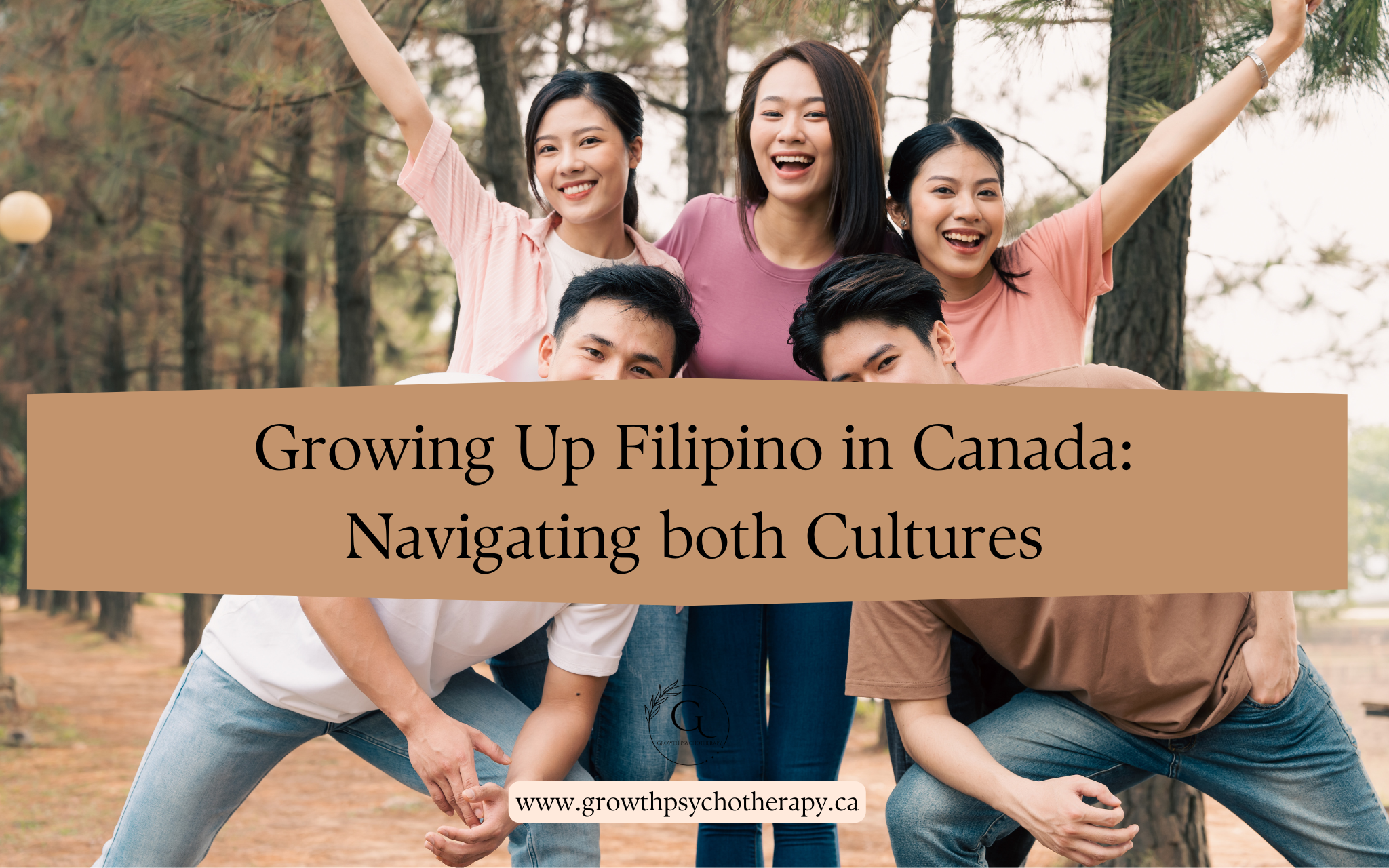
Many second-generation Filipinos grow up hearing stories about sacrifice, gratitude, and making the struggles of previous generations “worth it.” While these messages often come from love, they can also create a quieter emotional pressure underneath, the feeling that your life has to justify everything your family went through.
For many Filipino-Canadians, this can show up as guilt when choosing your own path, setting boundaries, or making decisions that look different from family expectations.
In this article, Filipino-Canadian therapist Kurt Hamblosa explores how intergenerational immigrant stories shape identity, obligation, and belonging, and how second-generation immigrants can begin to honor their family’s sacrifices while also building lives that reflect their own values.
Blog #51
This article explores Filipino-Canadian mental health through the lens of diaspora identity, faith, family expectations, and people-pleasing. Many second-generation Filipino-Canadians struggle with guilt, boundary-setting, and balancing collectivist values with autonomy. If you’ve ever felt caught between Filipino culture and Canadian independence, this reflection offers validation and insight.

Blog #50
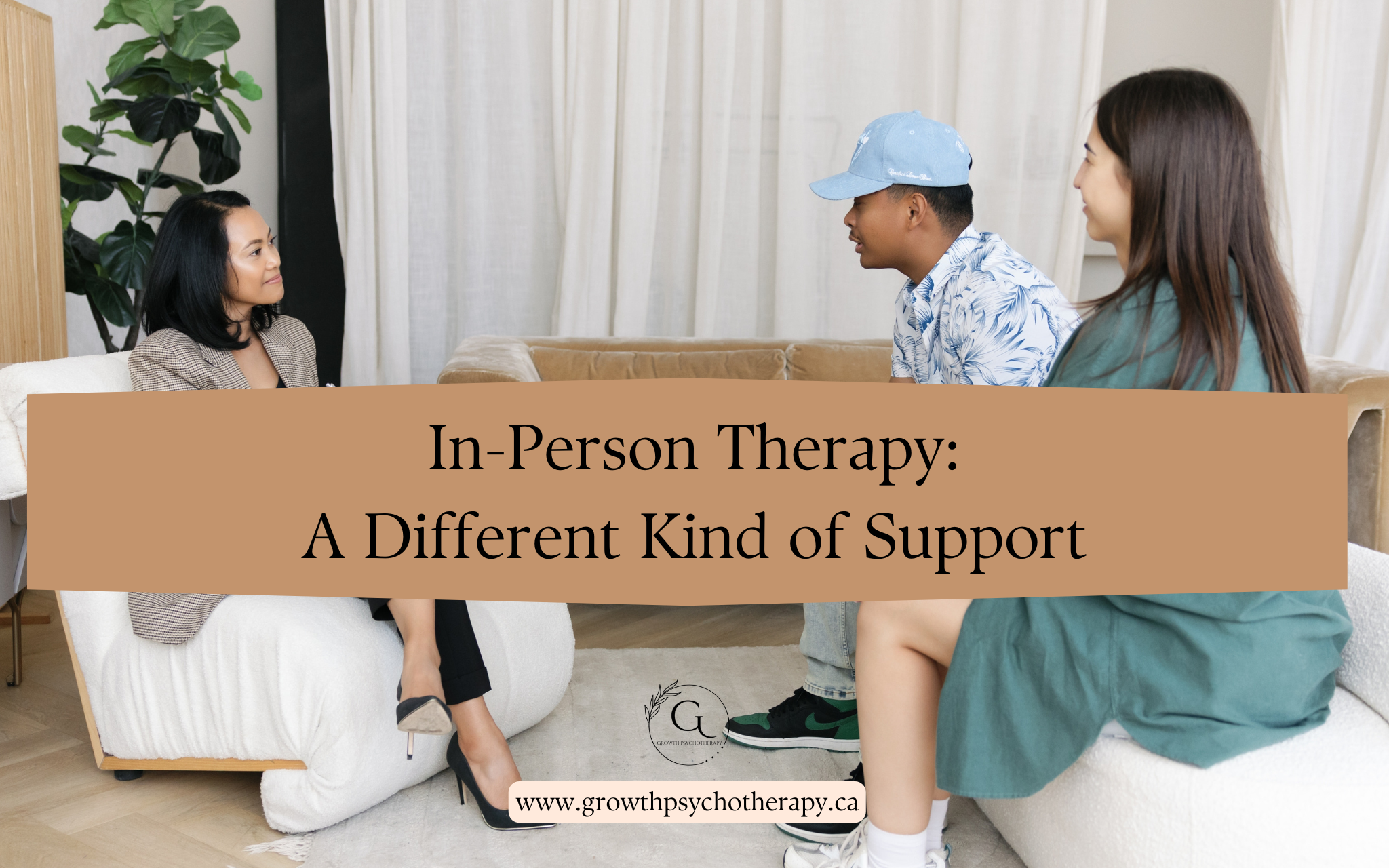
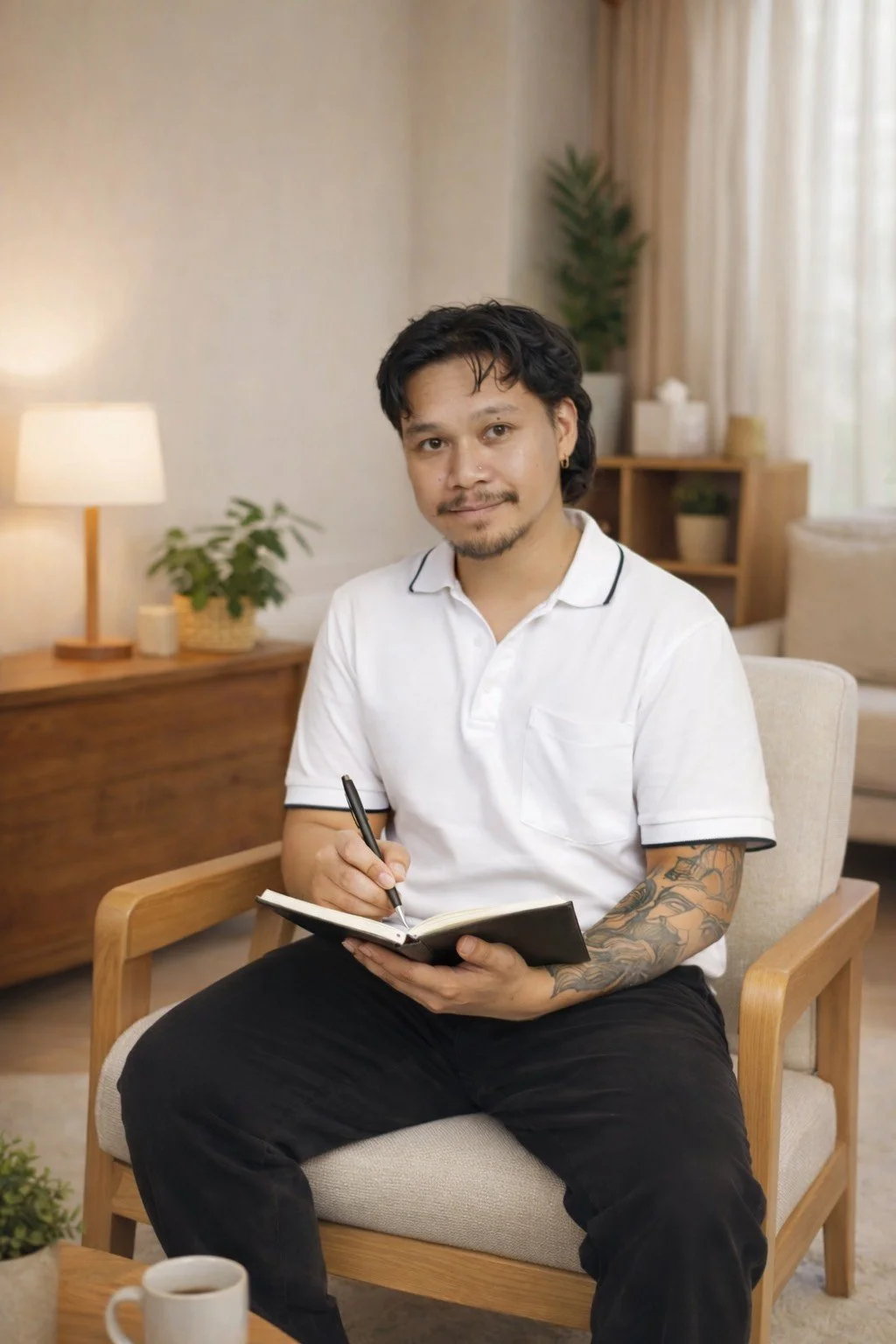
Our in-person therapy space in Vaughan was intentionally designed to support nervous system regulation and emotional safety, creating the conditions for deeper, more meaningful therapeutic work. Here, healing doesn’t start with what you say. It starts with what your body feels the moment you walk in, set your things down, and realize you don’t have to brace anymore.
Blog #47
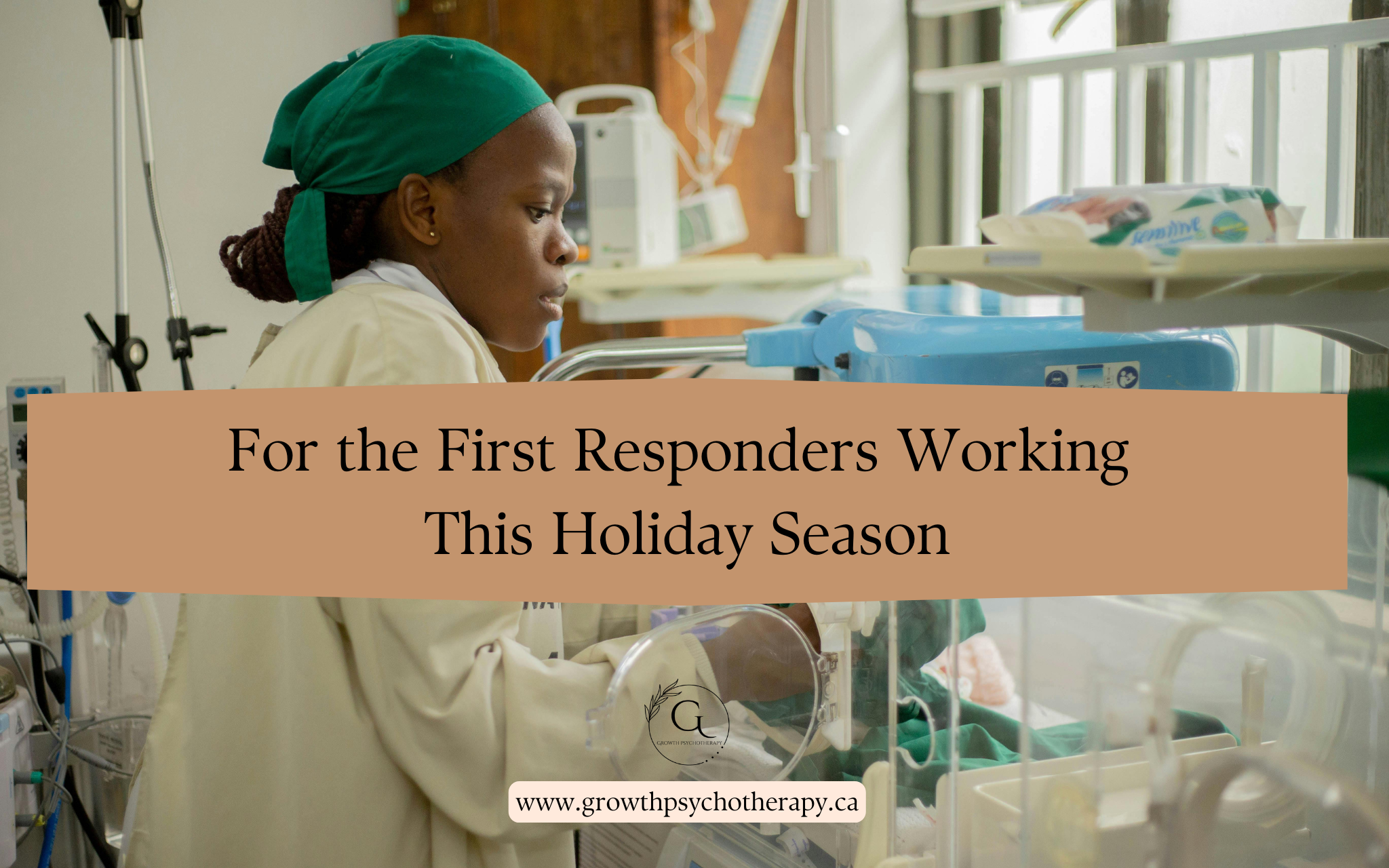
As the holidays approach, many people imagine slowing down, celebrating, and being surrounded by family. But for countless healthcare providers and first responders, Christmas doesn’t bring rest. It brings another shift.
If you’re working this Christmas, I want to take a moment to acknowledge you.
As someone who spent years working holiday shifts as a psychiatric emergency nurse, I understand the mix of duty, exhaustion, pride, and grief this season can bring.

Blog #46
For many Filipino-Canadians, Christmas carries a unique mix of joy and quiet heaviness. The lights are beautiful, the snow feels magical, and yet, there’s a part of us that aches a little. We’re celebrating here in Canada, but our hearts are stretched across oceans, memories, and expectations. Between the pressure to give, the guilt of being far from family, the desire to look “okay,” and the longing for the noisy, comforting chaos of Christmas back home, the holidays can feel more emotional than we expect. This blog explores why the season feels both masaya and mabigat through the lens of Filipino culture and psychology and why your experience makes complete sense.
Blog #42
Have you ever noticed how the colder, darker months seem to weigh on your mood more than the rest of the year? Maybe you feel more tired, less motivated, or just “off” when fall and winter arrive. You’re definitely not alone. For many people, these changes in weather don’t just bring the “winter blues”. They can trigger something called seasonal affective disorder (SAD).
Blog #41
If you’re the panganay (eldest child) in a Filipino family, you know it’s not just about being born first. It’s a role, a responsibility, and—if we’re being real—sometimes a heavy crown you didn’t ask for.
As a Filipino-Canadian and a therapist here in Ontario, I see the panganay experience show up in my clients’ stories again and again. It’s deeply shaped by Filipino values like utang na loob (debt of gratitude), pakikisama (harmony), and paggalang (respect), and then further complicated by growing up in Canada—where the cultural rules are often the opposite.
Blog #39
I’ve had to learn, and keep relearning, that setting boundaries doesn’t make me masama ang ugali. It doesn’t mean I love less. It doesn’t mean I’ve become too “Western” or forgotten where I come from. It means I’m learning to care for myself in a way that still honors my roots, but no longer leaves me running on empty.
As a Filipino-Canadian and a therapist, this lesson isn’t just something I teach, but it’s something I’ve had to live. And to be honest, it’s not easy.
Blog #38
What does it really cost to hide parts of who you are at work? In Out, Proud, and Still on Shift, a small group of LGBTQ+ professionals and allies gathered to explore that question, and to exhale. Through honest conversations, shared stories, and grounding tools, we unpacked the invisible weight of overcompensating, staying silent, and playing it safe in systems not built for our full selves. This event was a reminder that healing happens in community, and that sometimes, even a room of ten can hold a whole world of courage.
“Will Talking About My Trauma Make Me Worse?”
If you’ve ever hesitated to start therapy because you were afraid that talking about what happened might make things worse… you’re not alone.
As a trauma therapist, I hear this question all the time, especially from first responders, survivors of complex trauma, and people who’ve been carrying their stories alone for a long time.
So let’s talk about it - gently, and with care.
Blog #36
Do you ever wish your brain had an “off” switch?
Maybe you replay conversations long after they’ve ended. You second-guess your decisions. You imagine worst-case scenarios, just in case. On the outside, it might look like anxiety, perfectionism, or indecisiveness, but under the surface, overthinking can be a sign of something deeper.
If you’ve ever asked yourself, “Why can’t I stop overthinking everything?”
You’re not alone. And there’s likely a reason your mind feels stuck in overdrive.
Blog #35
Have you ever found yourself constantly saying yes, even when your body is screaming no? Do you go out of your way to keep the peace, avoid conflict, or ensure others are comfortable—even at your own expense? If so, you may be caught in the cycle of people-pleasing, a behavior that’s often misunderstood and deeply rooted in early attachment wounds and complex trauma.
As a trauma therapist, I frequently work with clients struggling with anxiety, depression, and chronic self-doubt. Many of them describe an internal pressure to “be good,” “keep everyone happy,” or “never be a burden.” While this might look like kindness or conscientiousness on the surface, it often masks a deeper fear: If I disappoint others, I’ll be rejected, abandoned, or unsafe.
Blog #34
In a world that values productivity and constant achievement, it's not uncommon for individuals to push themselves relentlessly toward their goals, often at the cost of their well-being. For some, this drive to overwork and overachieve isn't simply a matter of ambition—it’s a trauma response deeply rooted in their past. In this blog post, we’ll explore how overworking and overachieving can be linked to trauma, the psychological theories that explain these tendencies, and how trauma therapy can help individuals in Ontario, Canada, break free from this exhausting cycle.